What is the Best Paper for Brochure Printing?
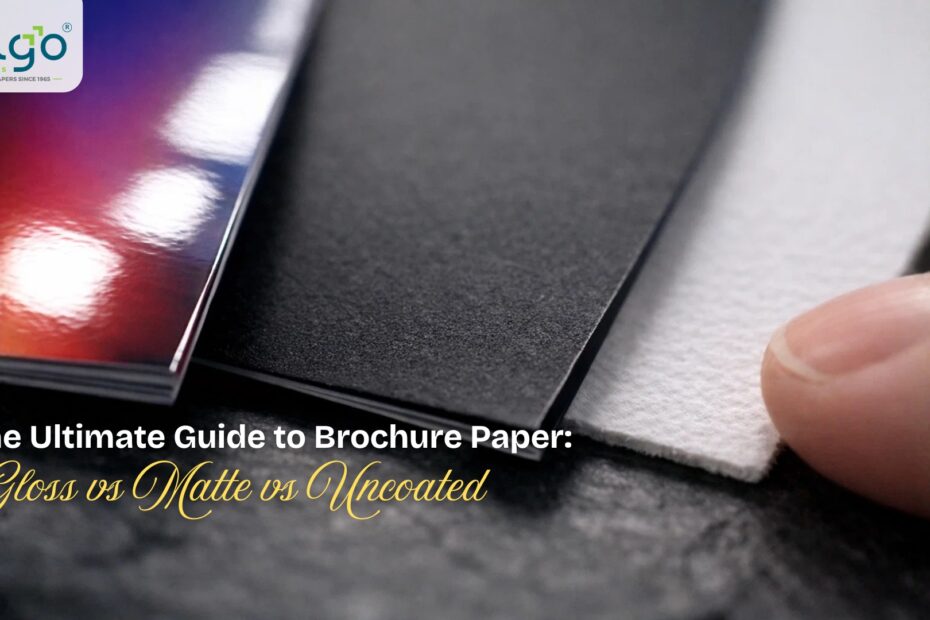
If you’re wondering how to choose the right paper for brochure printing, understanding the differences between gloss, matt, and uncoated paper is essential. The paper you select plays a crucial role in defining print quality, readability, and overall brand perception.
Why Paper Choice Matters in Brochure Printing
Brochures remain one of the most effective marketing tools for businesses, even in a digital-first world. Whether handed out at exhibitions, shared during meetings, or included in product packaging, they play a critical role in shaping how a brand is perceived.
While design and content are important, the paper you choose ultimately defines how your brochure looks and feels. It influences colour reproduction, texture, durability, and the overall experience of the reader. A brochure printed on the right paper immediately communicates quality and professionalism, while the wrong choice can reduce its impact, no matter how good the design is.
For this reason, selecting the right paper is not just a printing decision it is a branding decision.
Understanding Gloss Paper for Brochures
Gloss coated paper is widely used when the goal is to create strong visual impact. Its smooth, reflective surface enhances colour vibrancy and sharpness, making images appear more dynamic and eye-catching.
This makes gloss paper particularly suitable for brochures that rely heavily on photography, such as product catalogues, travel brochures, fashion look books, and hospitality promotions. The finish helps bring visuals to life and attracts attention quickly, especially in competitive environments like exhibitions or retail spaces.
However, gloss paper can sometimes create glare under bright lighting conditions, which may affect readability if the brochure contains a large amount of text. Because of this, it is best used when visuals are the primary focus.
Why Matt Paper is the Most Versatile Choice
Matt coated paper offers a more subtle and sophisticated alternative to gloss. Its non-reflective surface ensures that content remains easy to read, even under strong lighting. This makes it particularly effective for brochures that combine text with visuals.
The finish provides a smooth and premium feel without excessive shine, making it a popular choice for corporate brochures, company profiles, and professional presentations. It conveys a sense of elegance and modernity, which aligns well with brands that want to appear trustworthy and refined.
Another advantage of matt paper is its practicality. It allows for easier handling, reduces fingerprint marks, and even supports light writing or annotation when needed. Because of this balance between aesthetics and functionality, matt paper is often considered the safest and most versatile option.
The Appeal of Uncoated Paper
Uncoated paper has become increasingly popular among brands that want to communicate authenticity and sustainability. Unlike coated papers, it has a natural texture and absorbs ink slightly, resulting in softer, more muted tones.
This creates a warm and organic look that feels more personal and approachable. It is especially suitable for creative industries, boutique brands, eco-conscious businesses, and cultural organisations that want to establish a more human connection with their audience.
The tactile experience of uncoated paper also encourages readers to spend more time engaging with the brochure, which can improve message retention. While it may not deliver the same level of colour vibrancy as gloss, it offers a distinct character that can strengthen brand identity.
How to Decide the Right Paper for Your Brochure
Choosing between gloss, matt, and uncoated paper should always be guided by your communication goals rather than just visual preference.
If your brochure is designed to showcase products or high-quality images, gloss paper will help you achieve maximum impact. If your focus is on delivering information clearly while maintaining a premium look, matt paper is a more suitable choice. On the other hand, if your brand values authenticity, sustainability, or a handcrafted feel, uncoated paper will align better with your message.
It is also important to consider where and how the brochure will be used. Lighting conditions, handling frequency, and audience expectations all play a role in determining the best option. In many cases, testing paper samples before final printing can help avoid costly mistakes and ensure the final result matches your expectations.
The Role of Paper in Brand Perception
Paper is often overlooked as a branding element, but it has a powerful influence on how people perceive your business. A glossy brochure can communicate energy and luxury, a matt finish can suggest professionalism and clarity, while uncoated paper can express honesty and sustainability.
When chosen correctly, paper enhances not only the design but also the emotional response of the reader. It turns a simple brochure into a memorable brand experience.
Choosing the Right Paper Supplier
The quality of your brochure also depends on the consistency and reliability of your paper source. Using premium materials ensures better print results, improved durability, and a more refined finish.
At Galgo Papers, we provide high-quality and FSC-certified paper options suitable for brochure printing across different industries. With the right material and expert guidance, businesses can create brochures that truly reflect their brand value.
Frequently Asked Questions
Which paper is best for brochure printing?
Matt paper is generally the best choice for most brochures because it offers a balance between readability and premium appearance.
Is gloss paper good for brochures?
Yes, gloss paper is excellent for image-heavy brochures where visual impact is the priority.
Why do brands choose uncoated paper?
Uncoated paper is chosen for its natural texture and eco-friendly appeal, making it ideal for authentic and sustainable branding.
What GSM should be used for brochures?
Most brochures use paper between 130 and 170 GSM, depending on the desired quality and durability.
Conclusion
Choosing the right paper for brochure printing is a crucial step in creating effective marketing materials. Each option gloss, matt, or uncoated offers unique advantages, and the right choice depends on your design goals, audience, and brand positioning.
By carefully selecting the paper that aligns with your message, you can create brochures that not only look impressive but also leave a lasting impact on your audience.